Decarbonize Your Road Freight
Environmental Defense Fund
To reduce emissions from road freight, your company should prioritize shifting to zero-emissions vehicles, improving freight efficiency, and optimizing logistics. Get started by establishing clear metrics, then assess where the biggest opportunities lie.
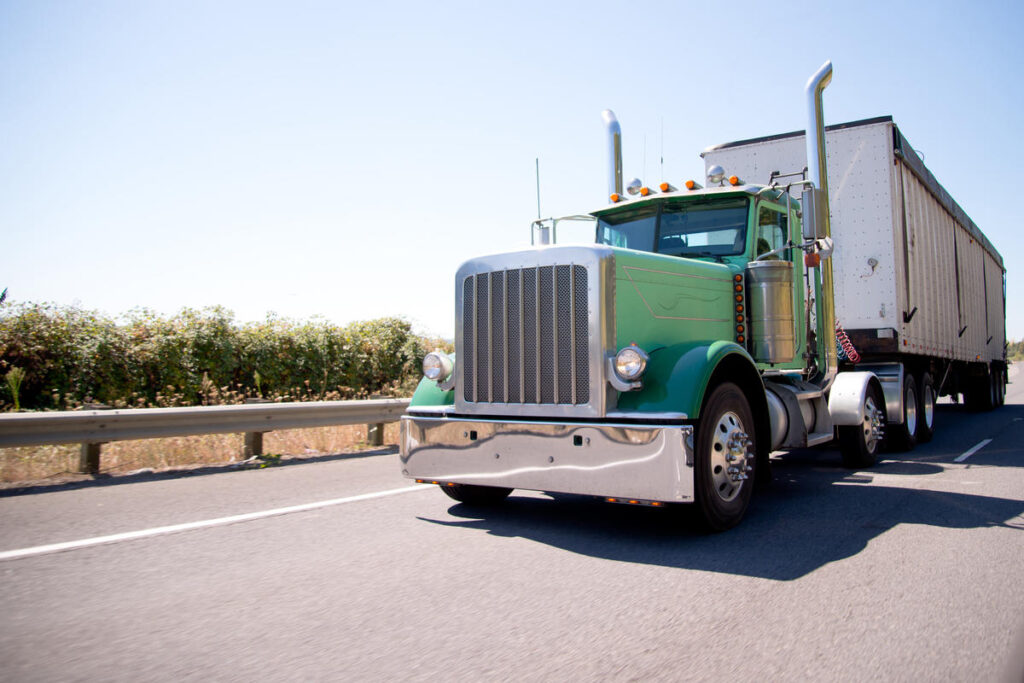
Our appetite for goods of all kinds — food, electronics, apparel, housewares — is growing. And the supply chains that make and deliver these goods come from across the globe. As a result, products travel farther, and that means greater fuel consumption and continued local air pollution challenges that harm public health. Freight transport accounts for 8% percent of global emissions and if no changes are made, freight is on track to become the highest emitting sector by 2050.1
But companies are recognizing the enormous potential of green freight strategies to uncouple freight emissions from freight activity, driving down costs and increasing profitability in the process. The actions you can take include deploying mature solutions, supporting innovation, and advocating for public policies that will accelerate the transition to zero emissions freight.
Get Started on Road Freight Decarbonization
The first step in a green fleet journey is establishing metrics. Well-defined, performance-based metrics keep focus on achieving meaningful, measurable, cost-effective GHG emissions reductions. Combining a transparent measurement and reporting system with freight efficiency and emissions reduction targets will build credibility and support your company’s efforts to decarbonize.
The next step is to assess your opportunities. Trucks are responsible for most freight transport GHG emissions and significant progress is being made to improve the feasibility of electric trucks at scale.
Fleet Electrification
Despite making up about 10% of all vehicles on U.S. roads,2 medium and heavy-duty vehicles contribute disproportionally to emissions & and pollutants.3 Decarbonizing fleets is a long-term process, but one that will have multiple benefits for your company beyond emissions. The transition to zero-emissions vehicles will reduce your fuel and maintenance costs, enhance driver recruitment and retention, meet the growing demands for greener fleets from downstream customers, and reduce air and noise pollution in your communities.
Build an Electric Fleet Strategy
Regardless of the nature of your fleet, your company can develop a strategy for a full transition to zero-emissions vehicles. Targets should be ambitious and have specific timelines, while considering your fleet’s unique attributes, such as vehicle types, duty cycles, and length of turnover cycles. Additionally, companies should prioritize community health and address the near-term impacts your operations have on communities that have been historically overburdened with diesel pollution.
Decarbonizing is a long-term process, but it can begin now. Explore EDF Fleet Electrification Solution Center for step-by-step instructions on how to transition your Class 3-8 vehicles. Here is an overview of the key phases:
- Review the landscape and gather your team. Learn from other companies’ case studies, your own company’s sustainability goals and your electric utility. Work with an internal project management team to help get the process rolling forward.
- Identify what is possible now based on today’s zero-emissions vehicles and charging/refueling technologies, your current routes and duty cycles, cost estimates and timelines. The goal is to identify what’s possible and set priorities that determine which vehicles and/or routes you electrify first.
- Create a plan for near-term deployment. Armed with data, such as the total cost of ownership of vehicles, and the incentives available to your company, you can build a strong business case. Work to earn senior leadership’s approval to seek publicly available funding (such as grants) and procure vehicles and charging infrastructure. Your company’s procurement team will play an important role in this phase.
- Deploy your pilot programs in the field. At this point, drivers are up to date on the changes and pilot results are being tracked and reported. With this experience under your belt, your team can think longer-term: how will you get from where you are to meet your zero-emissions fleet goals?
- Expand adoption. Once you get to this final step, the journey isn’t over. It’s time to expand your company’s adoption of zero-emissions technologies. For that, you circle back to Phase 2 but now carry first-hand knowledge and experience into a new feasibility analysis.
Freight Optimization
Although significant progress is being made to improve the feasibility of electric trucks at scale, electrification is not the only solution. There are many other things you can do now, across all modes of transport, to help your company reach your long-term sustainability goals, as well as to make a tangible impact today.
Fuel Efficiency
Training and incentivizing good driving habits can increase fuel efficiency, while maintaining digital records of fleet maintenance activities will help track preventative maintenance, saving fuel and driving down repair costs. Additionally, making aerodynamic improvements reduces wind resistance and improves the fuel economy. Using EPA SmartWay verified tires with low rolling resistance provides another effective way to save fuel, further reducing costs and emissions.
Route Optimization
Optimizing routes and networks can lead to dramatic decreases in freight miles and costs. Distribution routes and networks become outdated and inefficient as customers change. Performing optimization studies, redesigning logistics networks, and strategically selecting distribution warehouse sites based on customer and shipment volumes can decrease freight miles and costs. Real-time tracking of freight travel and ongoing, iterative route optimization in response to changes in demand can also reduce overall freight miles and reduce emissions.
Load Optimization
Maximizing cargo space and minimizing empty miles ensure each trip has the highest possible load factor, lowering the emissions intensity of your operations. Favoring ocean over air, and rail over road when using internal combustion trucks will also increase efficiency and reduce overall miles and GHG emissions.
Intermodal Transport
Leveraging intermodal terminals — where a container is moved from one mode to another — allows your company to reap the efficiency benefits of rail as well as the flexibility of trucks. Rail is 3–4 times more fuel-efficient, resulting in greater carrying capacity and longer reach that lower cost-per-ton-mile and reduce emissions by 75% compared with long-haul trucking.3 While both sectors are transitioning to electrification and renewable energy, the efficiency advantages of rail transport mean intermodal transport will continue to use fewer clean energy resources than relying on trucking alone.
Catalyze Innovation for Zero-Emission Freight
Your company can play a crucial role in accelerating the technological breakthroughs needed to decarbonize freight transport. To support innovation in freight transport, your company can:
- Signal long-term demand for emerging zero emission solutions through targets, commitments and purchasing agreements.
- Launch in-house projects and feasibility studies for solutions that are not yet commercially viable.
- Collaborate across the value chain by forming partnerships with industry groups, other carriers, and customers to bridge research and funding gaps needed to scale solutions.